
1
Shoreline hazards
Unmarked shoals, shifting sandbars, and hard headland weather caused repeated losses on the northern approaches.
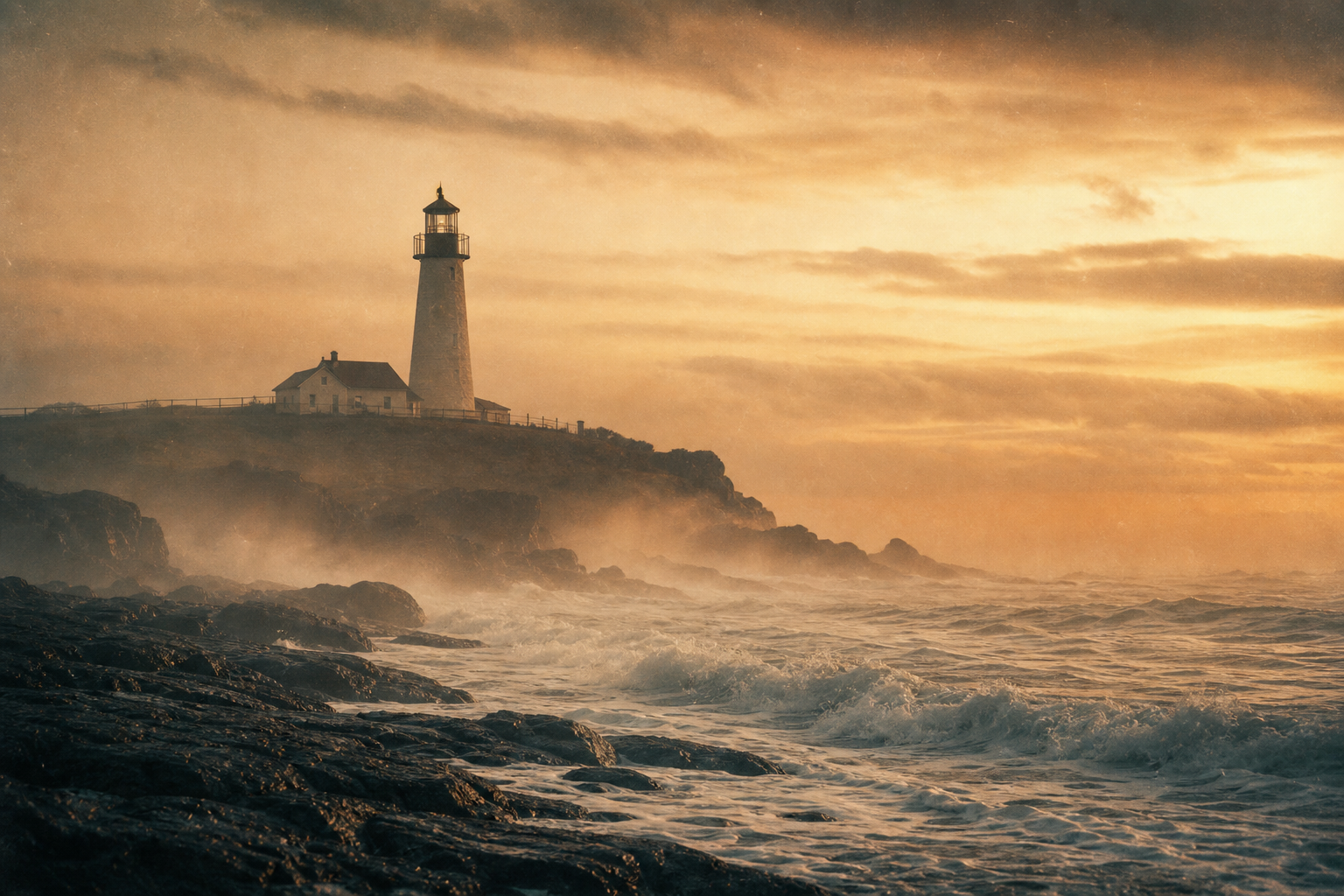
Origin story
Across fog, reef, and winter tide, the lighthouse network became a shared safeguard for mariners and shoreline settlements.
Shoreline hazards
Unmarked shoals, shifting sandbars, and hard headland weather caused repeated losses on the northern approaches.
Beacon building
Harbor boards and local crews raised fixed lights, then coordinated towers so vessels could read a safer coastal path at night.
Communities around the lights
Keeper stations drew families, workshops, and supply routes, anchoring shoreline communities to the rhythm of navigation duty.
Keeper Stories
Three coastal voices from the record books: practical routines, hard nights, and the steady watch that kept vessels off the shoals.
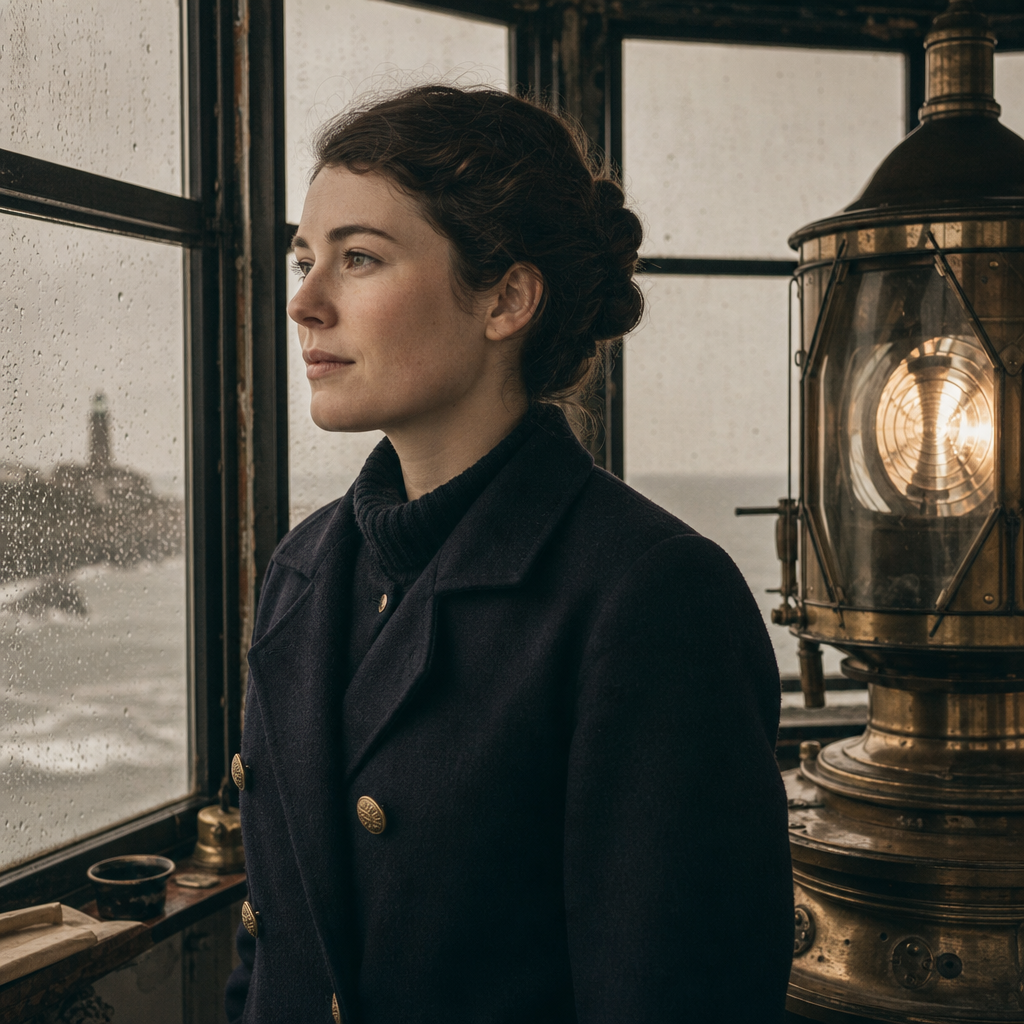
Assistant Keeper, Bracken Point
“Fog pressed so thick at dusk that the bell rope stayed in my hands half the night.”
Log entry notes she covered lamp trims and signal checks while her father recovered from a winter injury.
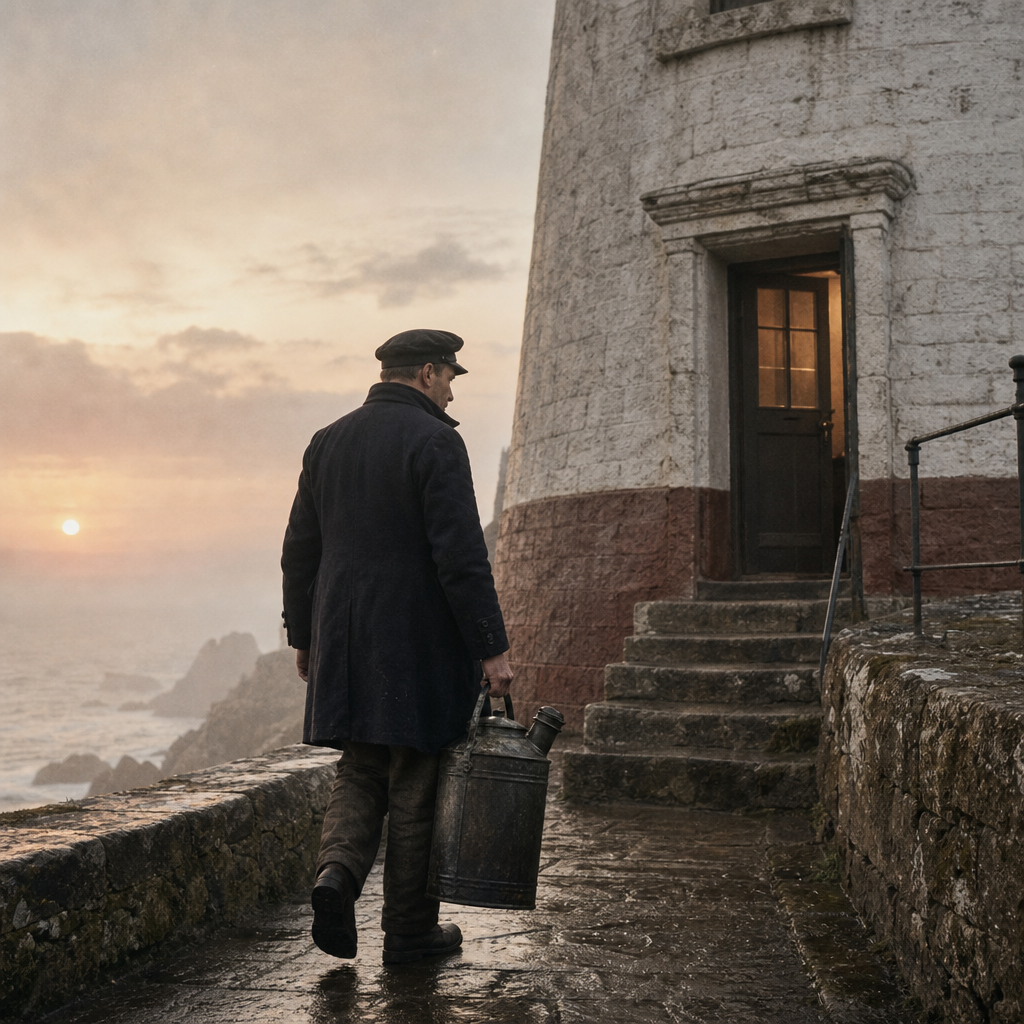
Head Keeper, Gullmere Tower
“By first light we had polished every pane; salt haze will steal a mile from a sailor’s sight.”
Inspection correspondence describes his strict morning routine and careful mentoring of two new hands.
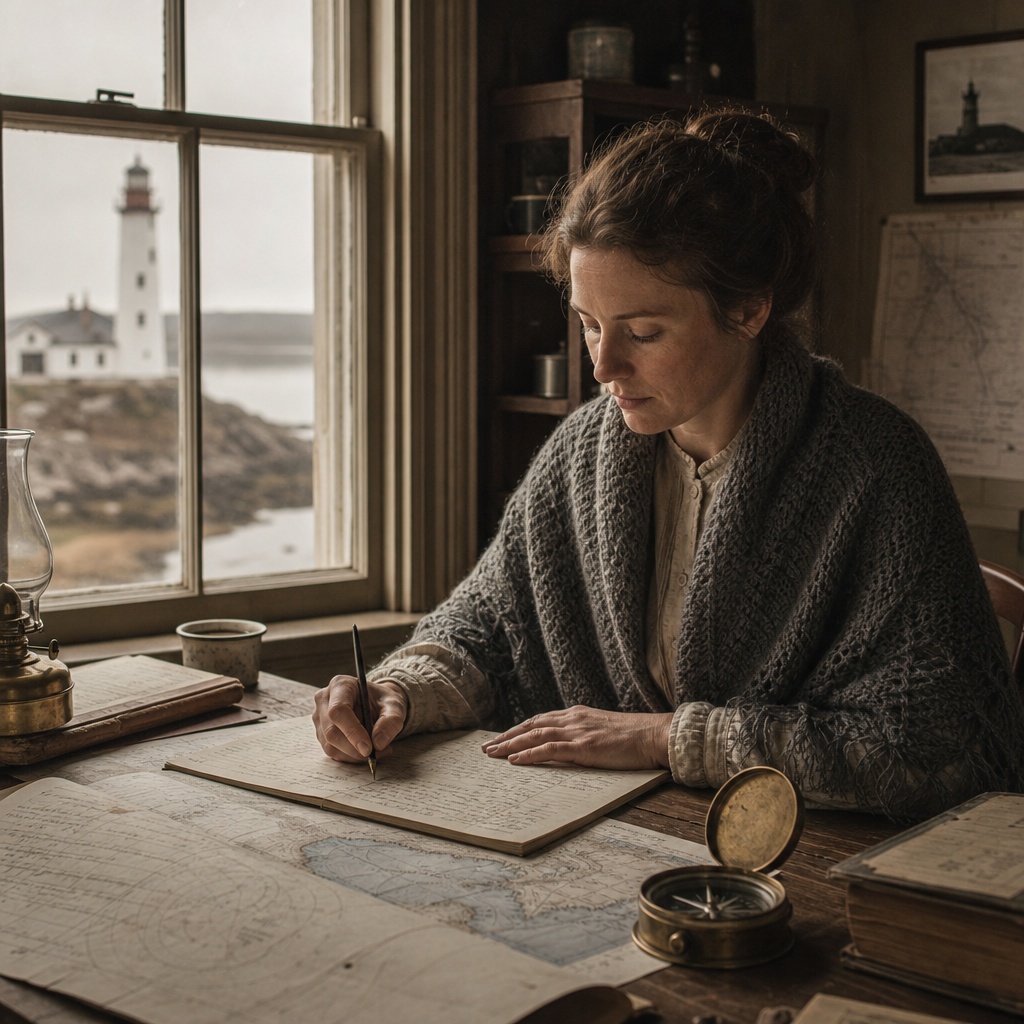
Relief Keeper, North Haven Light
“When the nor’easter rose, we counted between flashes to be certain the rhythm held.”
Her relief journals highlight storm watches, supply runs by skiff, and careful timing of the rotating lens.
Across the coast, archives, museums, volunteer crews, and local societies continue the shared work of keeping lighthouse memory in public view.
Local Archives
catalogs & records
Maritime Museums
objects & exhibits
Volunteer Restorers
hands-on care
Historical Societies
oral histories
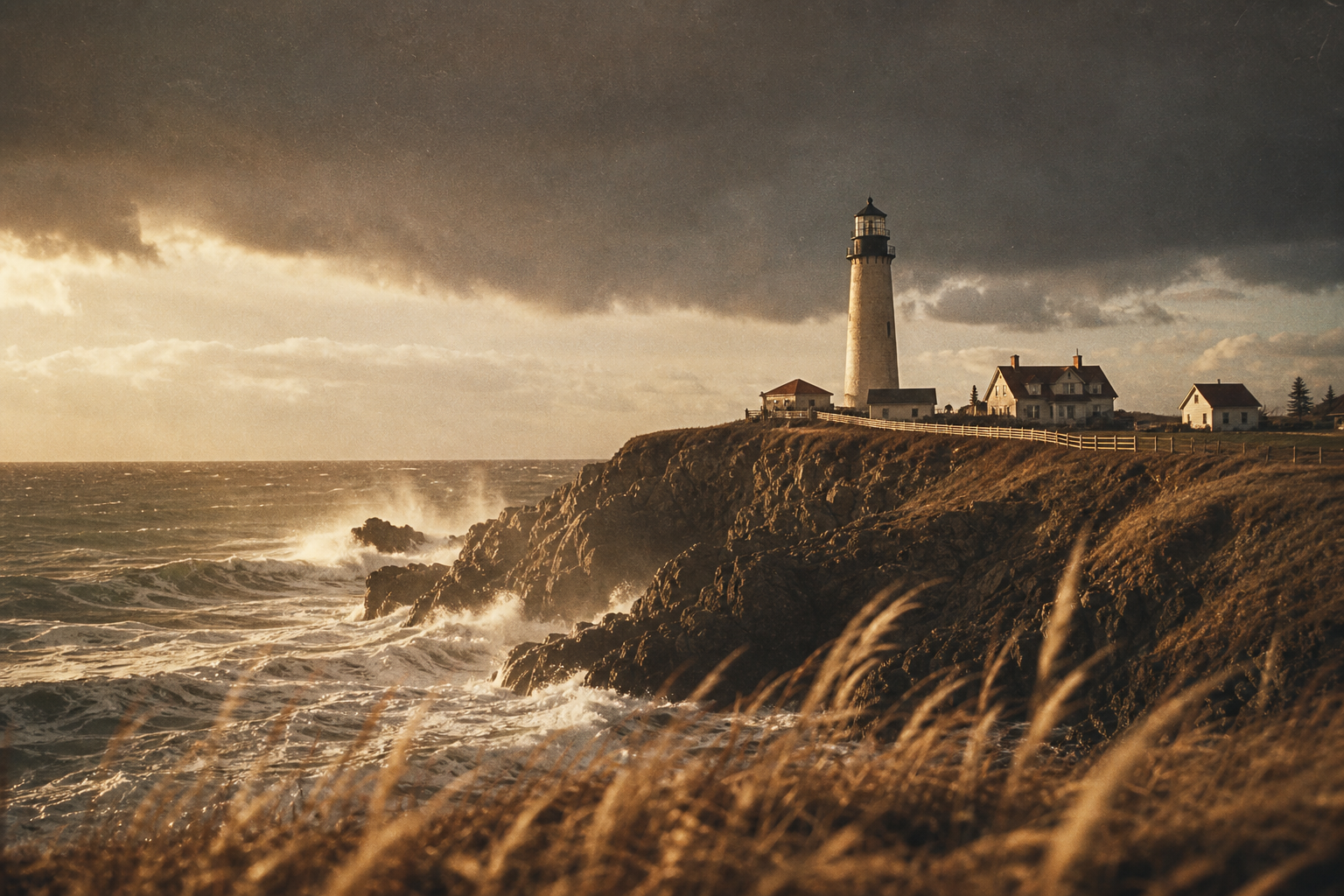
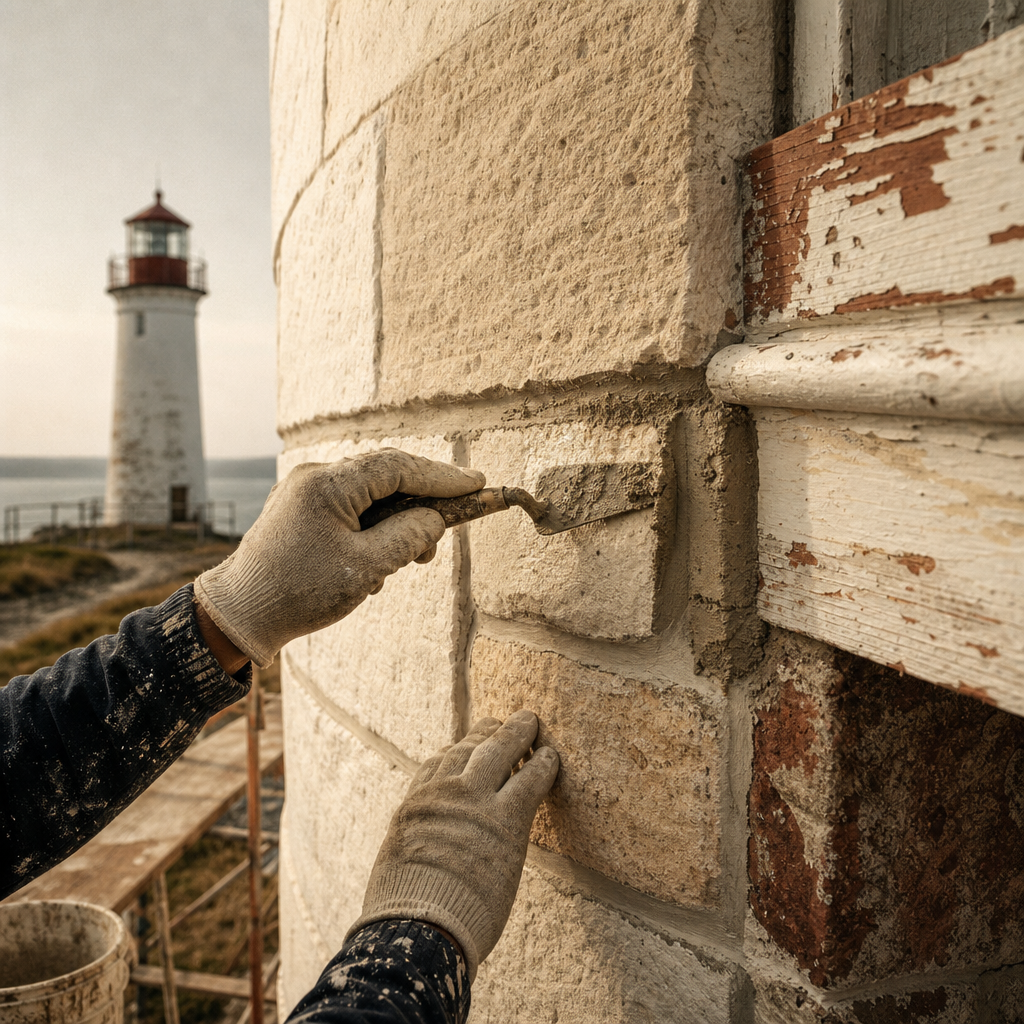
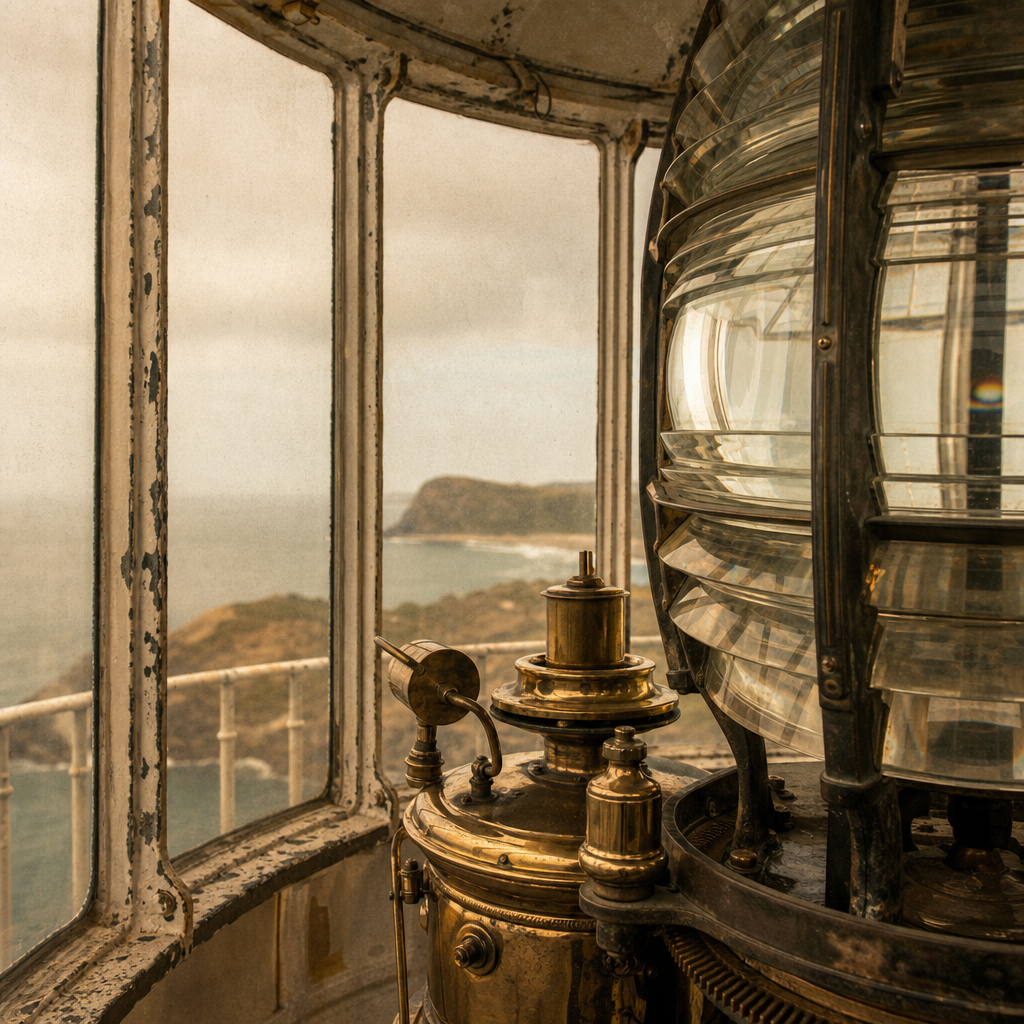
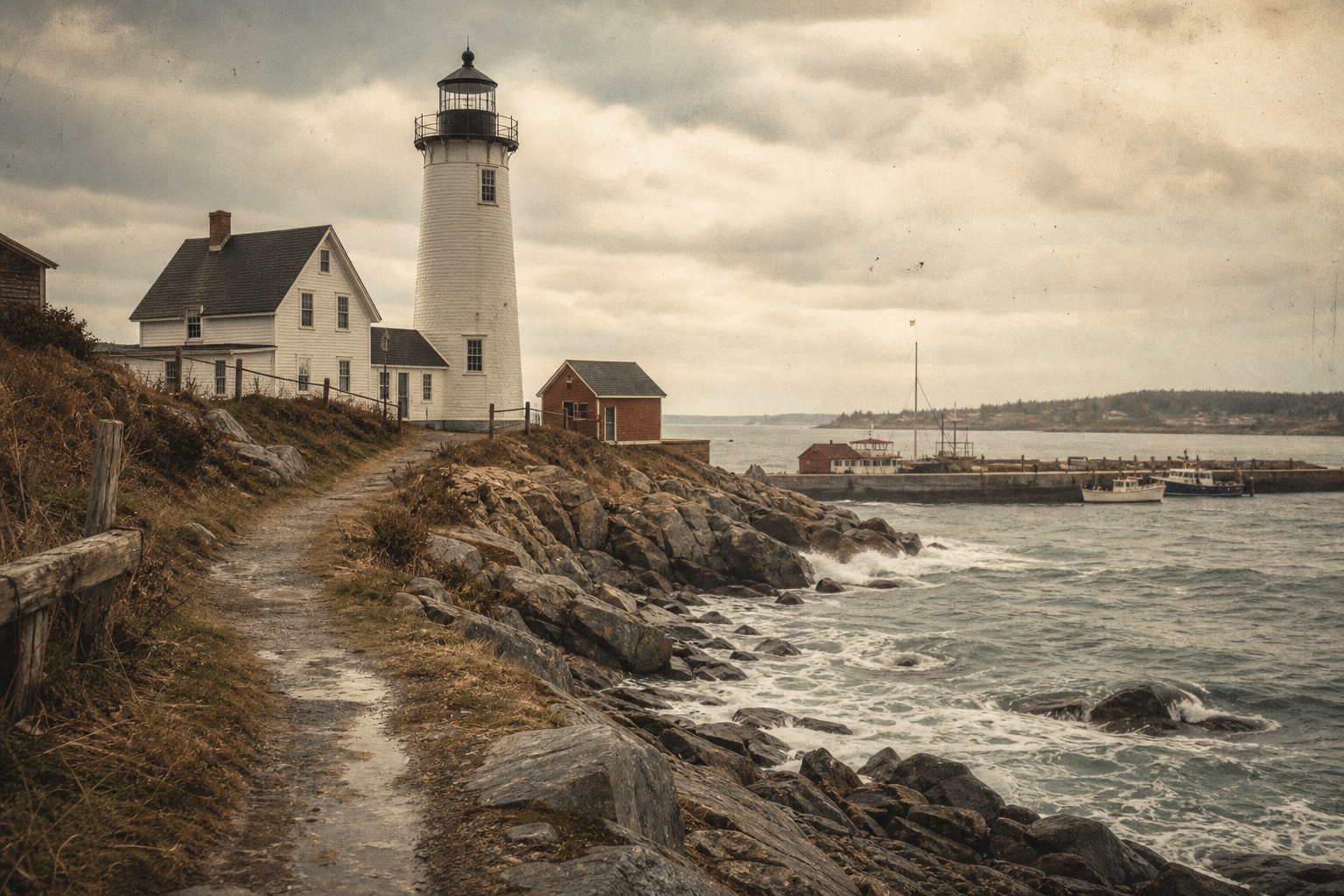
Four preserved moments, sequenced like a printed spread from storm horizon to careful restoration.
Preserved tower reference
A practical reading map of preserved lighthouse sites, arranged like an editorial field plate rather than a live app interface.
Northern shoreline sheet
Preserved markers
Greywatch
Harrow Spit
Brinemoor
Longmere
Visit Notes
These practical notes are meant to support safe, thoughtful visits while protecting working coastlines and historic lighthouse grounds.
Access varies by season, weather, and preservation work. Some grounds remain public while towers open only on posted days, so check local signage before entering restricted areas.
Coastal wind, fog, and tide shifts can change conditions quickly. Wear layers, use stable footwear, and avoid exposed edges during high surf, storms, or poor visibility.
Stay on marked paths, do not climb barriers, and leave artifacts where they are. Even small actions—like avoiding fragile masonry and dune vegetation—support long-term preservation.
Personal photography is often welcome outdoors, but interior spaces and staffed tours may have limits. Follow posted rules, avoid blocking paths, and keep flash and drones off where prohibited.
Begin with our preserved tower map, then check regional museums, harbor archives, and volunteer groups listed in preservation partners for local talks and records.
Practical guidance changes over time; always follow local notices on site.